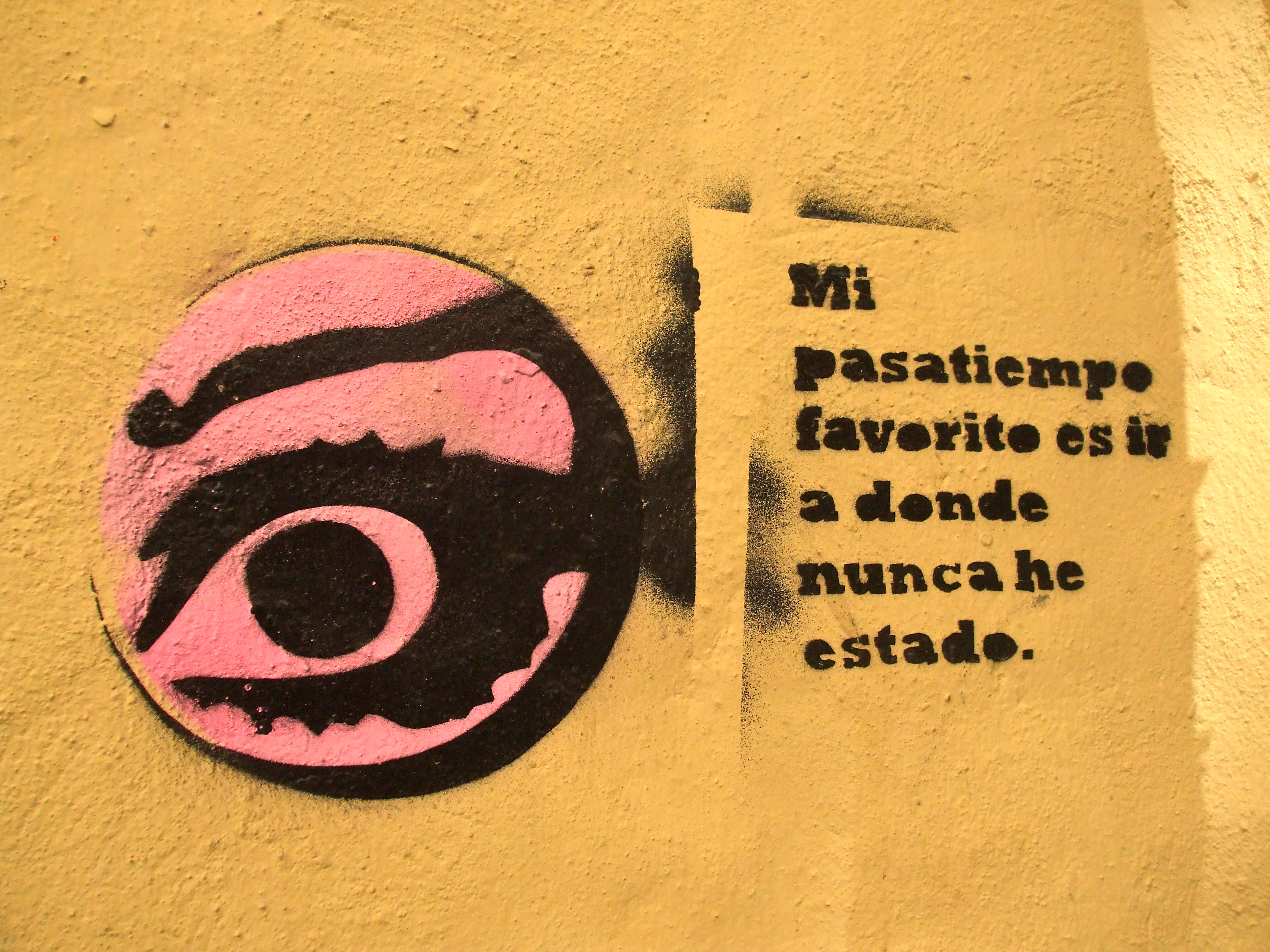
Cryptic title, huh? (Andando means walking, FYI) Intermittently between finishing up my semester work and packing up mi vida española, my sister and I took weekend trips to Sevilla, Valencia, and fled after my finals to Málaga and Granada (Valencia is not actually an Andalusian city, but where the trip fell just fits into this blog, lo siento.)
 We also stopped in Córdoba for two of those trips to make the most of our Eurorail pass and catch the sites that happened to be closed every other visit we made. It was a whirlwind; there was laughter, tears, spectacular views, decadent food and some harrowing moments lost in translation, which I am a little embarrassed to admit after I was supposed to have immersed myself in the Spanish culture and should have mastered the language.
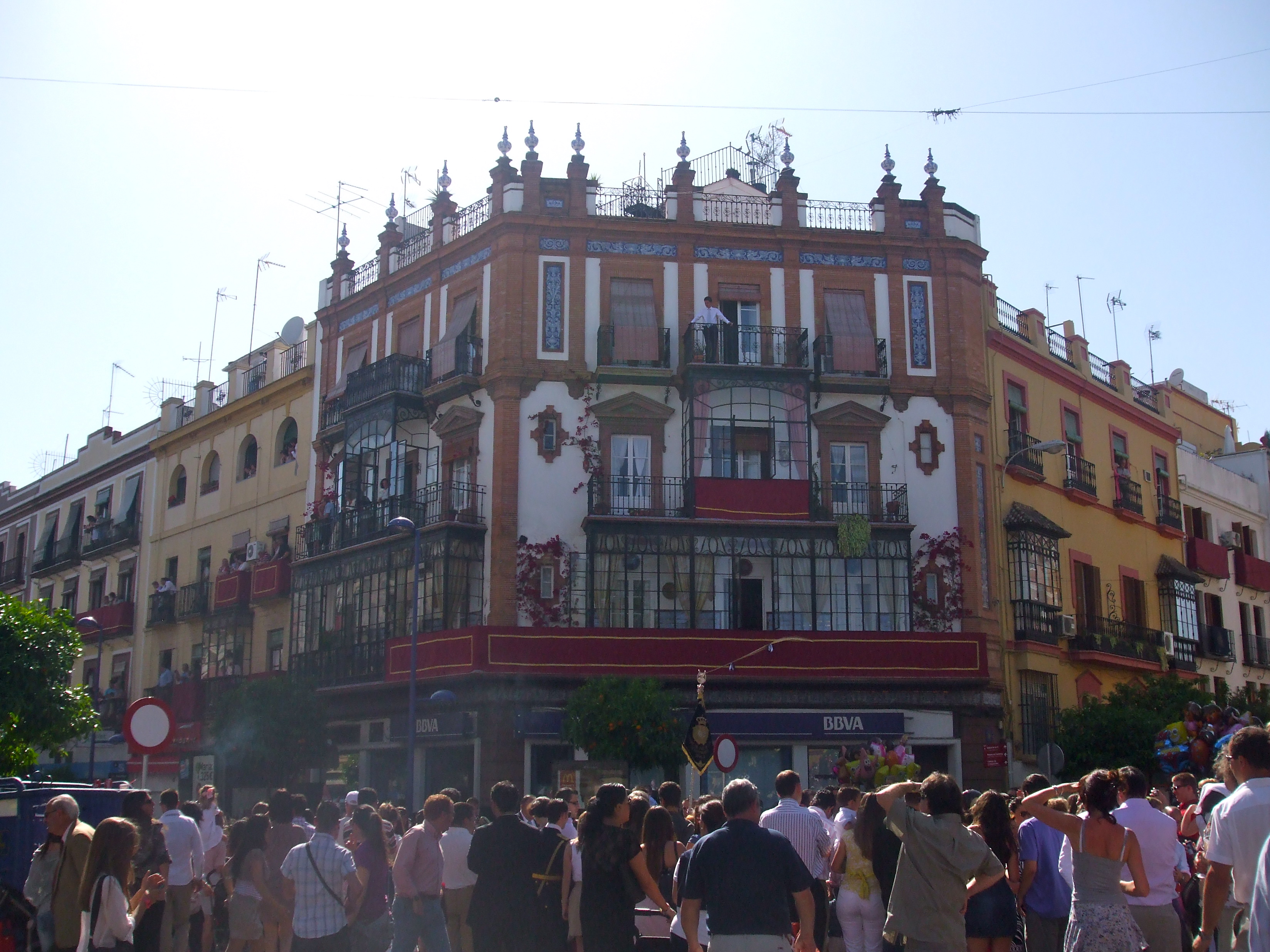 My professor had forebodingly warned that trying to get to Sevilla during Semana Santas (the holy week before Easter, or Pascua) to catch their famed processionals would require pre-planning and cash for the likes of trying to get to London for the Royal Wedding. We hadn’t thought that we would actually catch the craze just a weekend earlier on Palm Sunday. Getting to Sevilla Wednesday night, we also didn’t realize that our surprisingly-affordable 4-star hotel was about a half-hour bus ride outside of the city, which put a damper on our plans to go out on the town, but we made the most of our days before running to catch the last bus back.
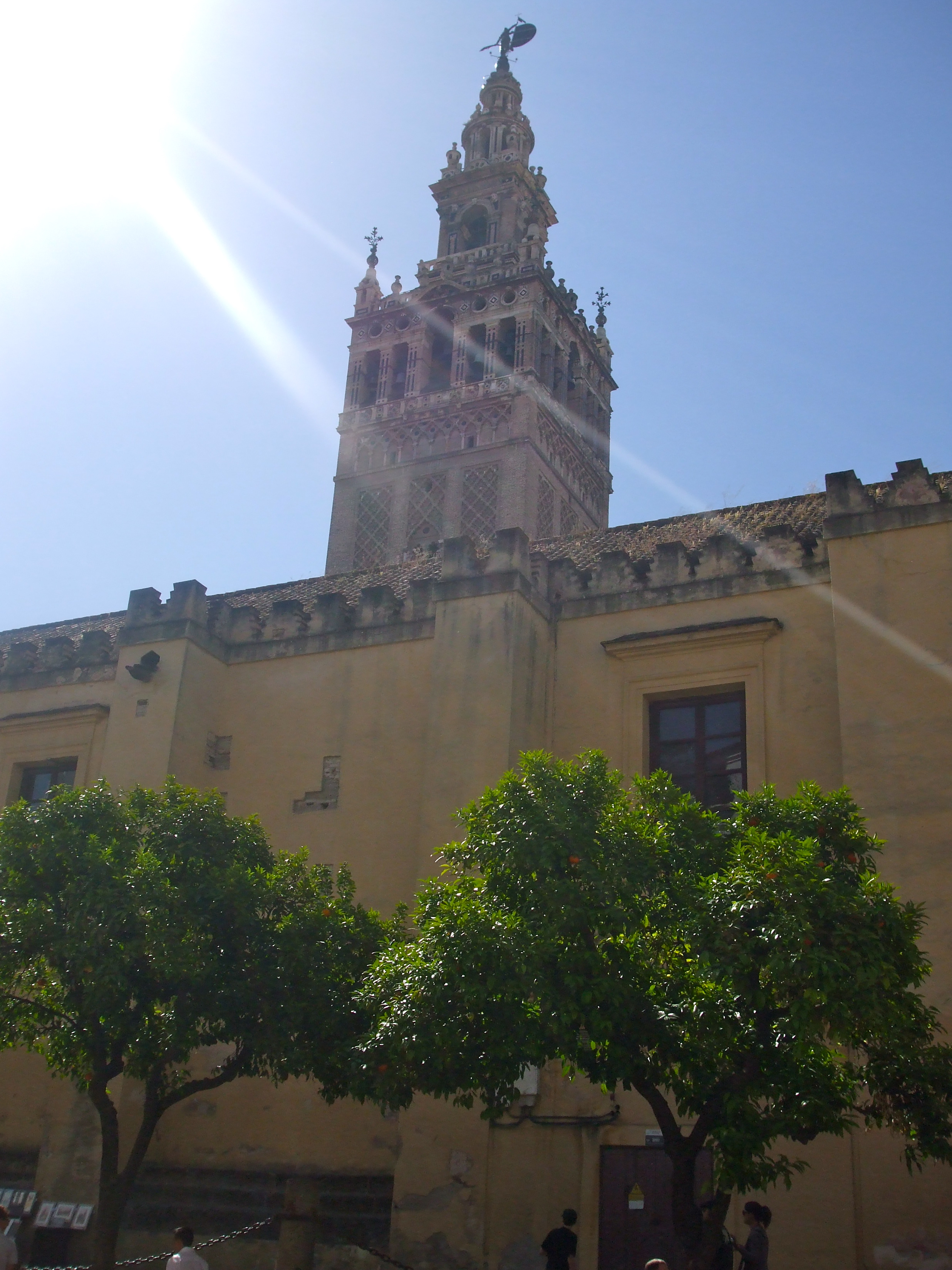 Along with two girls from my program, we visited the Cathedral where Columbus himself was just confirmed to be buried (with DNA verification as of five years ago) and climbed up the Giralda tower’s deliriously numerous steps for, you guessed it, a buena vista. We then headed to Plaza España, where lie the famous artisan tiles baring each of Spain’s biggest cities with gorgeous yellow-and-blue painted columns and a small canal to ride boats and take it all in. We wandered through the gardens and went for tapas after.
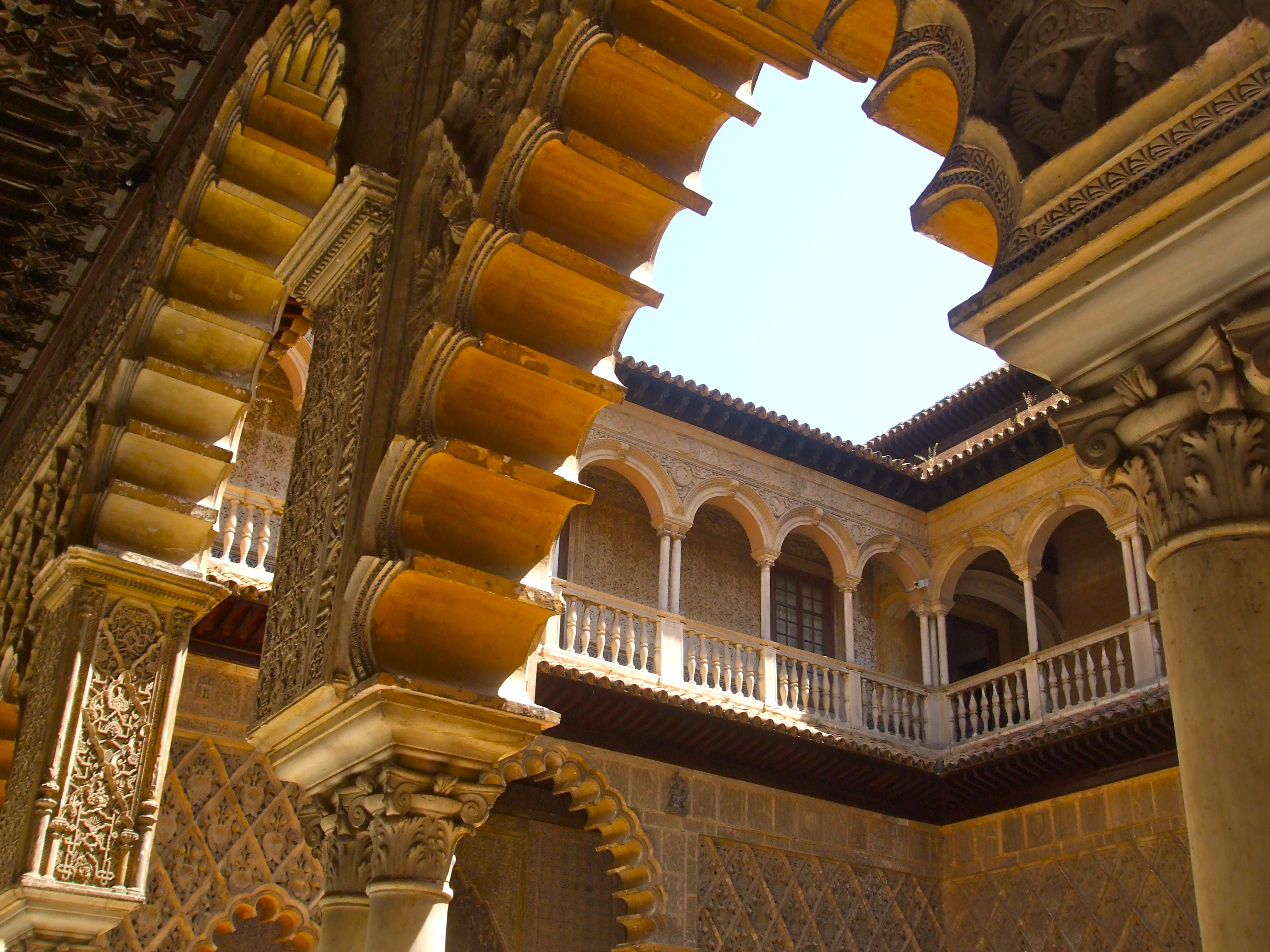 The next day, Rachel and I visited the gorgeous royal Alcalzar, which admittedly reminded me of the Alhambra, though I hope I am not offending Washington Irving. We basked in the gorgeous weather, strolled through yet another barrio judio– though you would only know Sevilla’s by their placards of “judería,” and the artisan stands and easels that come along with these kinds of territories– got lost in the processional crowds, tried to stay away from the pairs of eyes hidden beneath the Cone headdresses and cloaks, and took a river-cruise on the Guadalquivir.
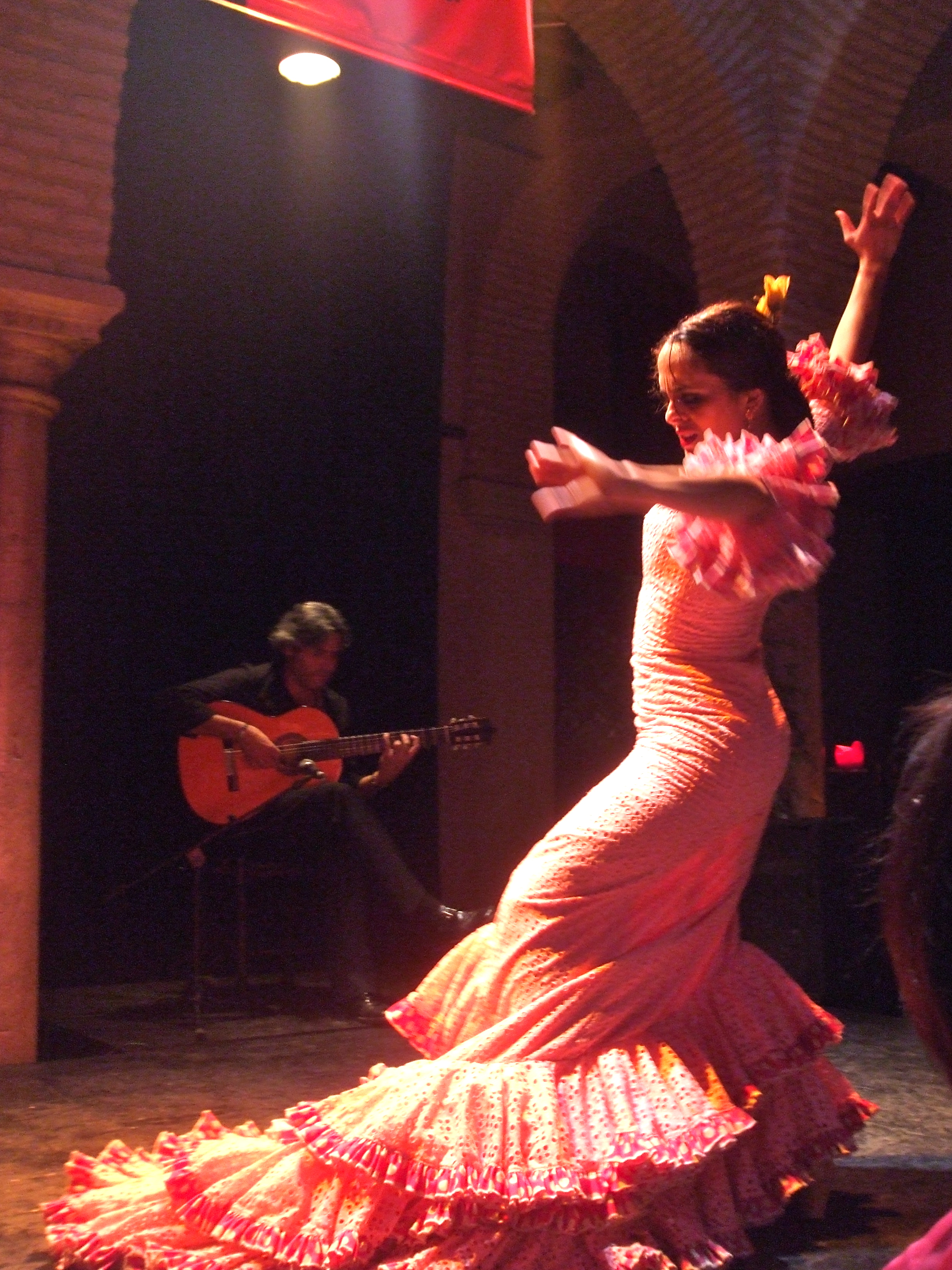
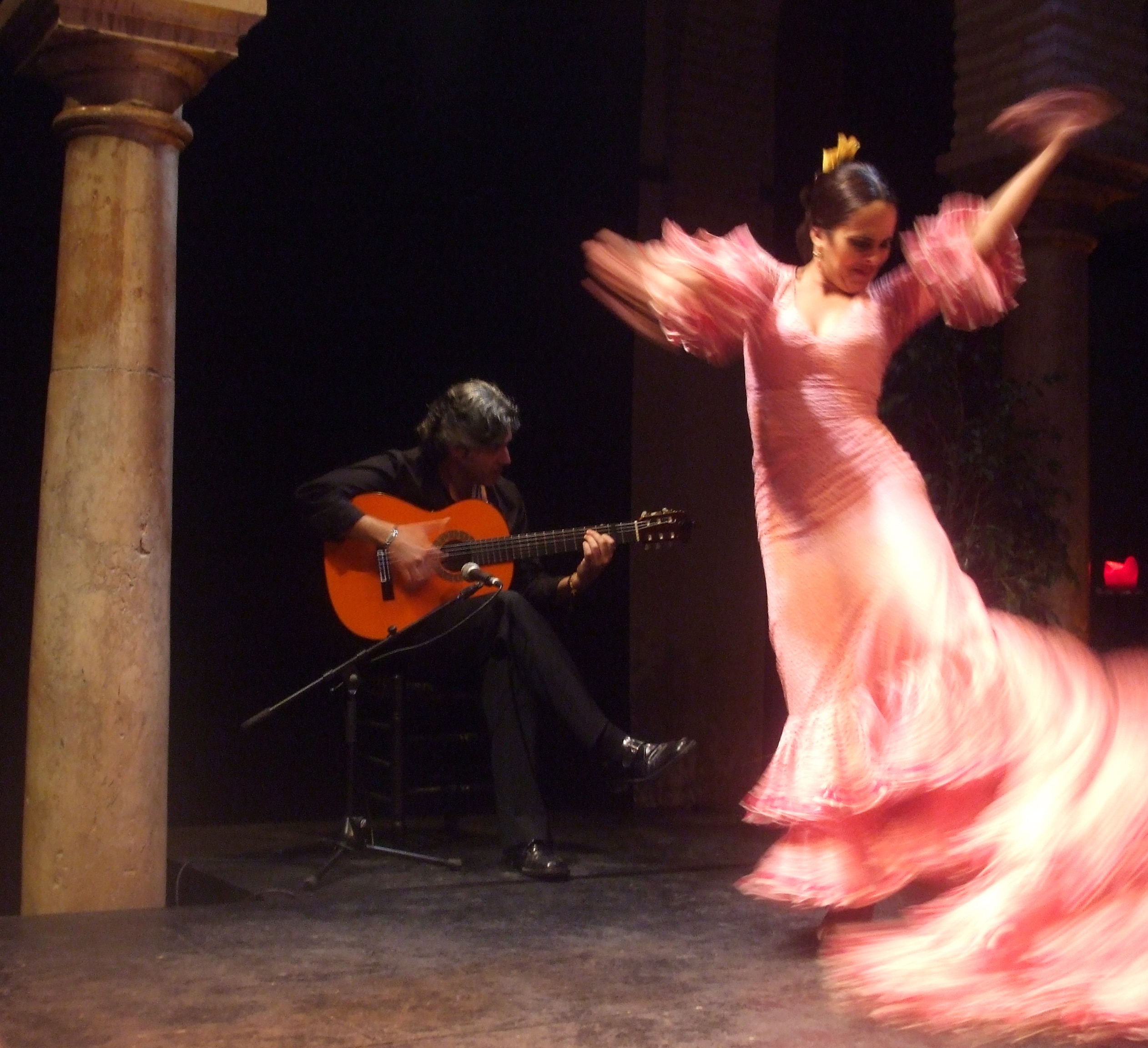 Finally, we went to an intimately-set flamenco show in Sevilla’s Museo de Flamenco, where from just two-feet away from the performers, we could feel the beat of the tacones and vibrations from the soloist singer and guitarist and even got in the way of some of the male-dancer’s sweat.
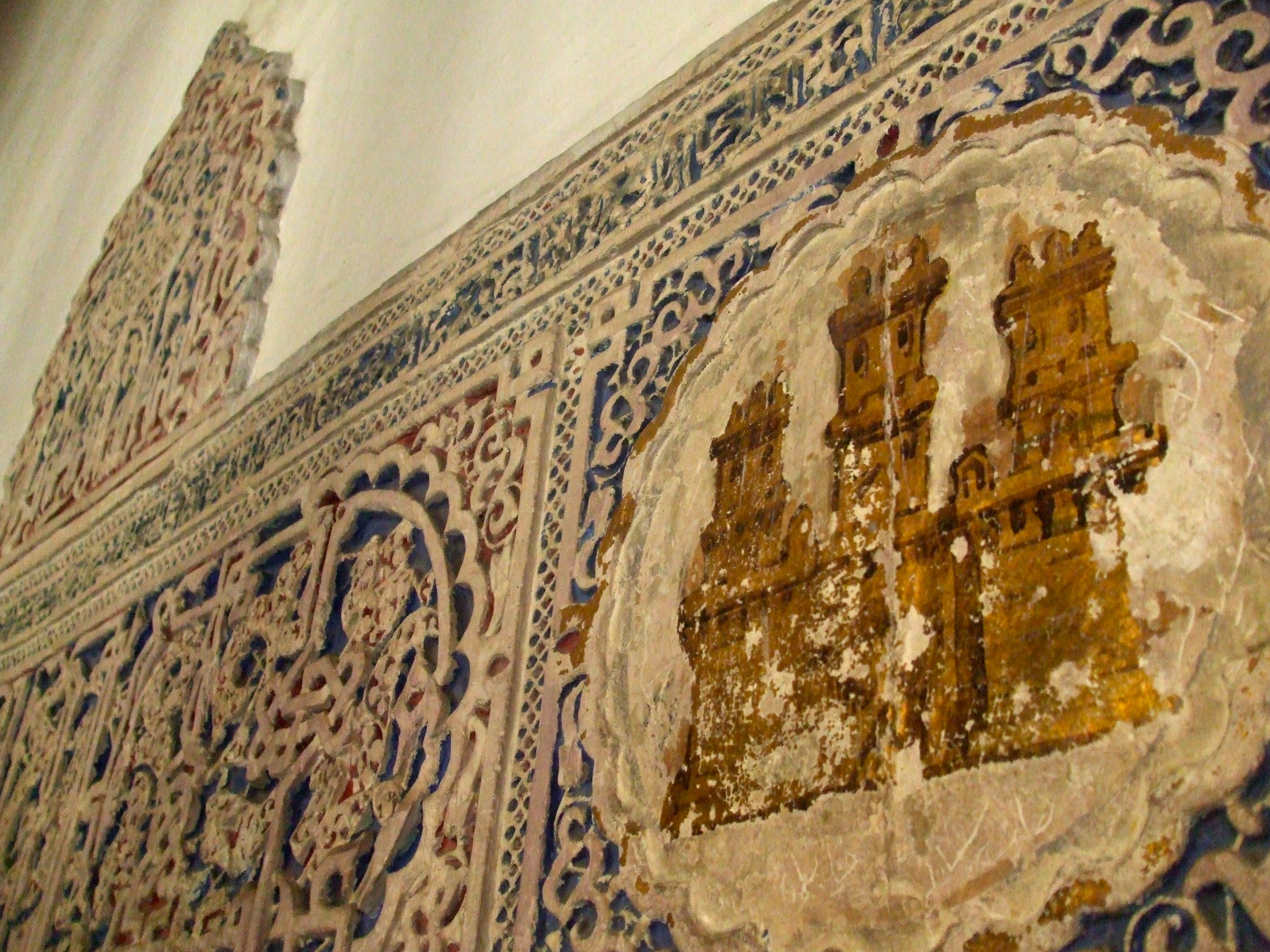
The Monday of Passover was fully-loaded with religious exploration in Córdoba and Madrid. I took my second visit to the Mezquita or ancient mosque (Rachel’s first) and then headed to the Museo Sefarad since the synagogue was closed. It was gorgeously kept and even had useful information for my research paper that was due the next morning. We even went to a Sephardic restaurant and shared delicious honey chicken and pumpkin flan.
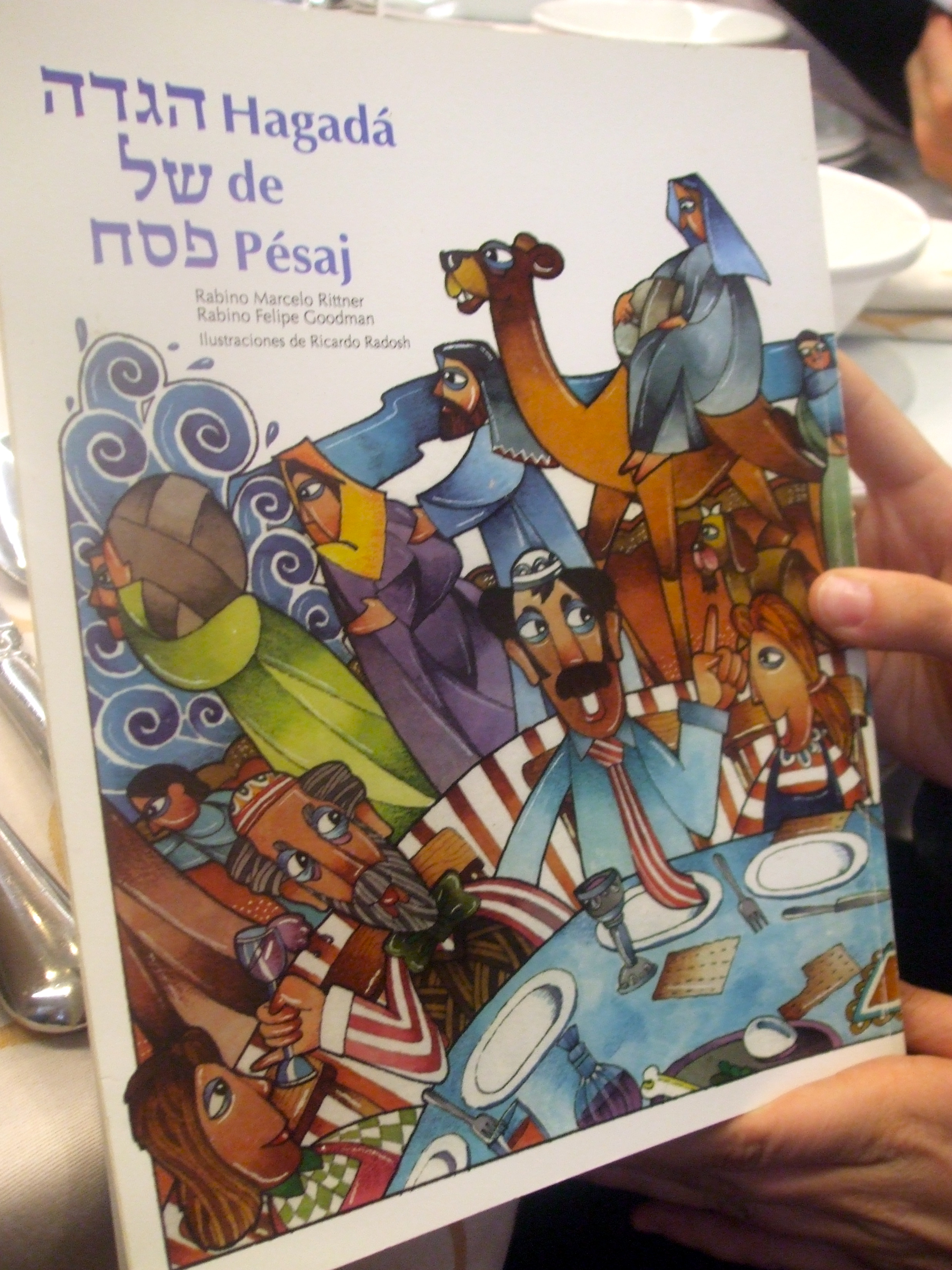
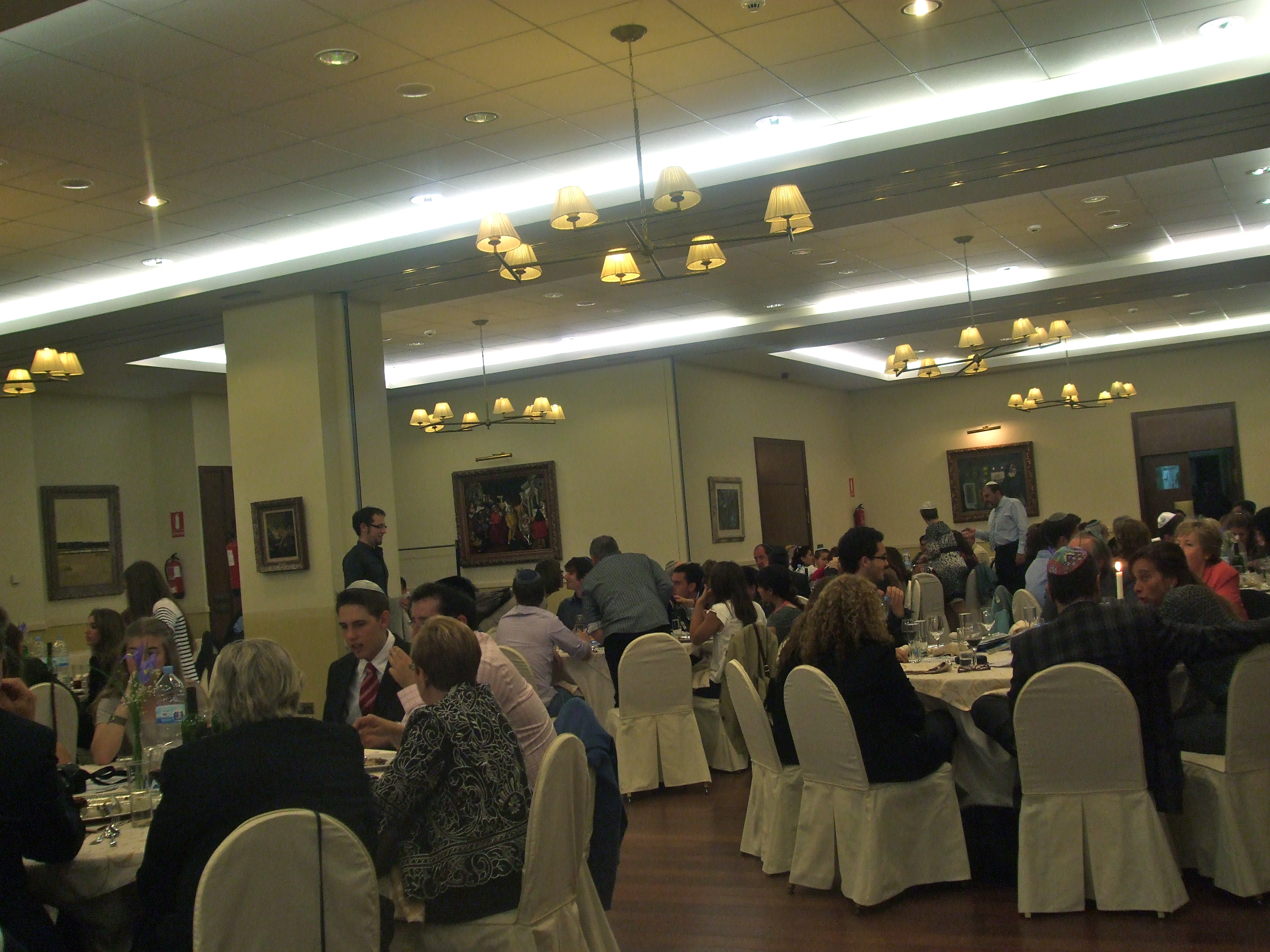 And while the Passover meal wasn’t too outlandish or exotic, save the yellow gefilte fish, which I assume had some saffron in it, the real treat was sitting through the Spanish ceremony and getting to say I understood about 85% of it. I even learned new stories about our Jewish history. Perhaps I never paid as close attention to the seder when listening to it and trying to stay alert while waiting for the main event (the food!) was just second nature and not an academic pursuit. We sat with a family from Madrid and their American ex-pat patriarch, and an Israeli father and his two young sons who were in for the Real Madrid v. FC Barca Championship games. For me, just traipsing around Madrid would have been enough– Daiyenu.

With a paper handed in and two final exams to study for, Rachel and I spent the Semana Santa vacation in Valencia, a gorgeous artisan town and tropical destination. It was my first real hostel experience, bunk beds, Italian, French, and Austrian men as roommates and all– too bad it rained for half the trip.
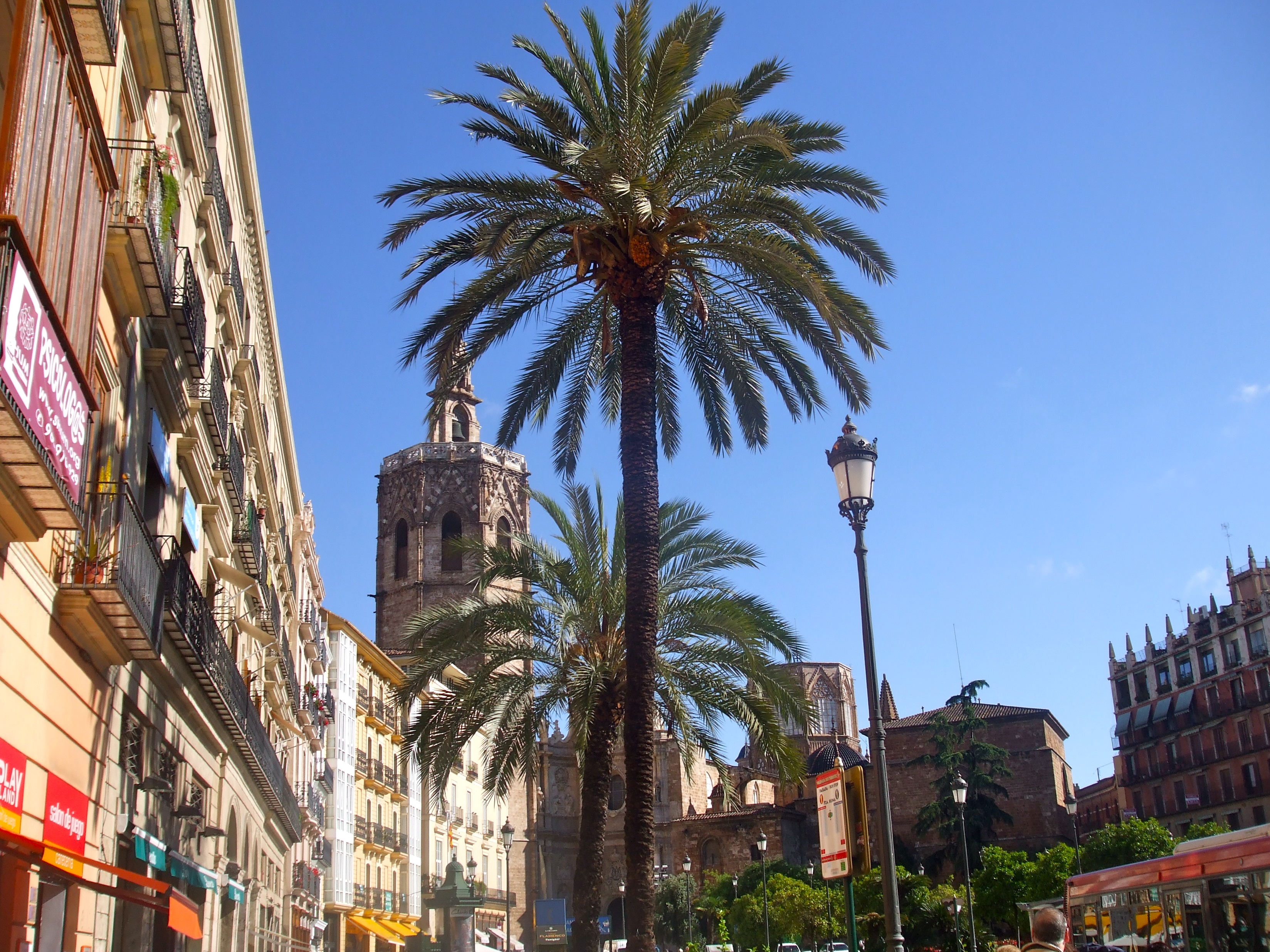
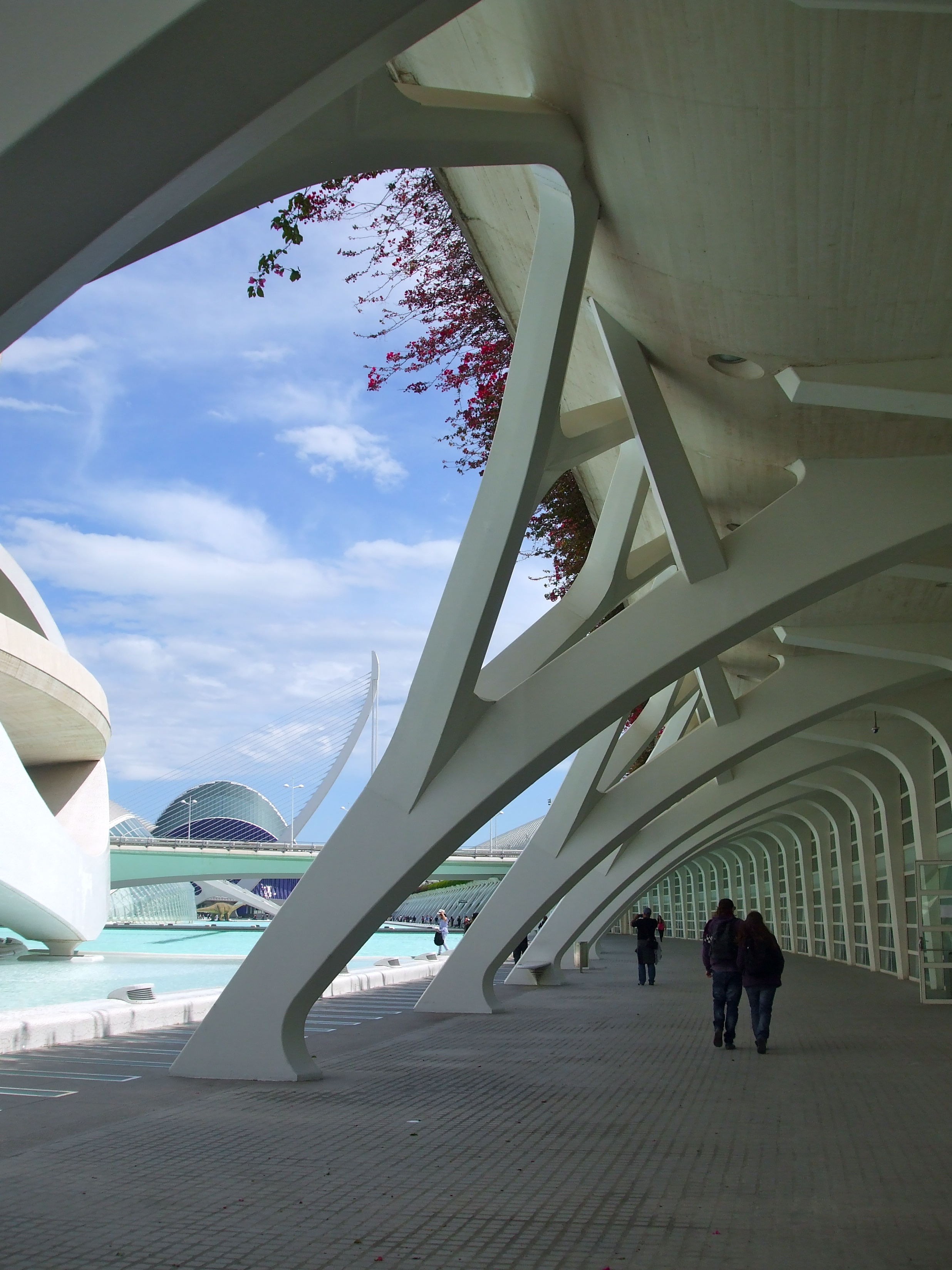
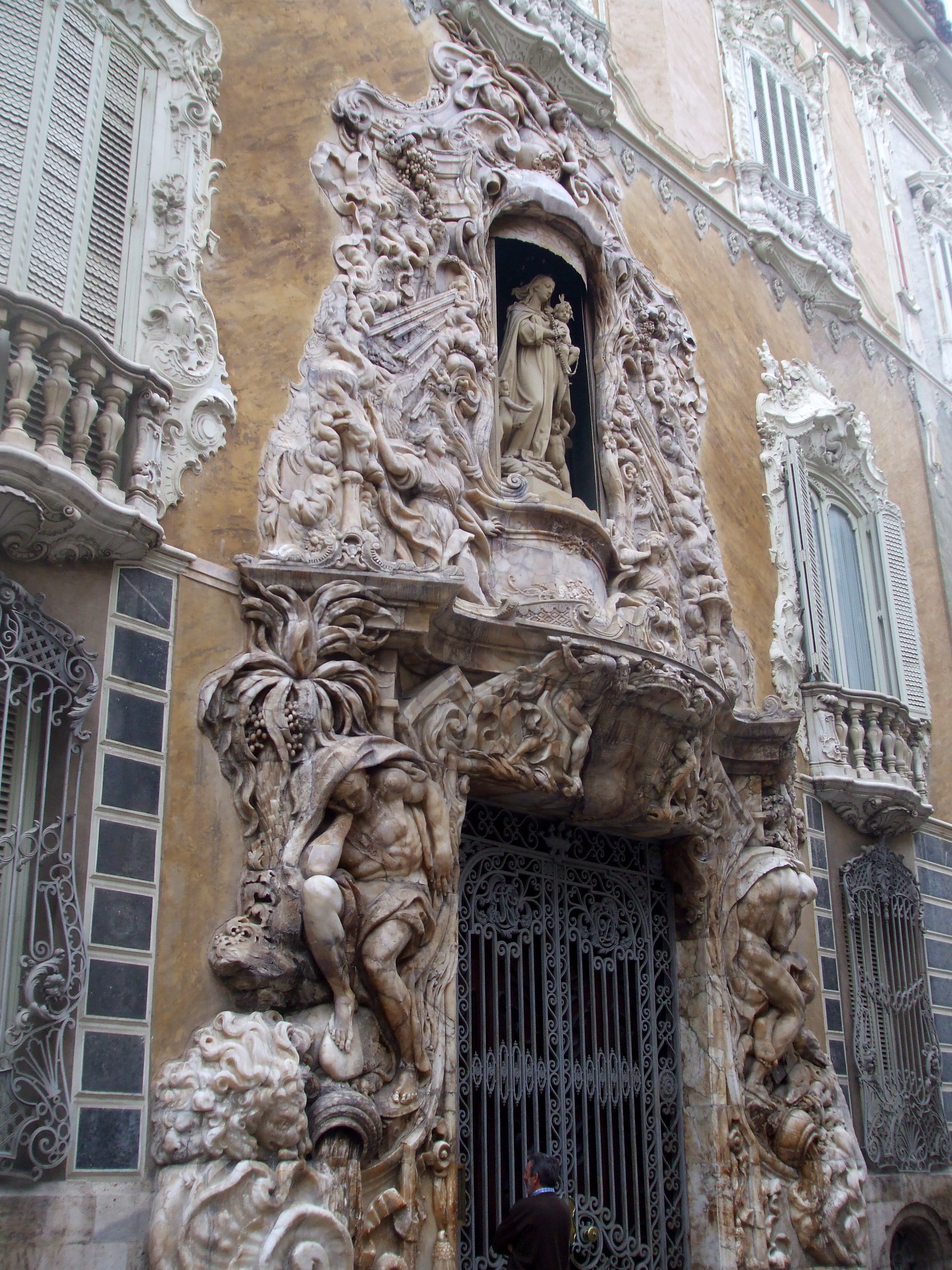 We learned to make the best of it and see what we wanted to see, despite closed tourist centers and flaky museum and monument schedules based on the holiday. Unlike the other towns with traffic-stopping processionals, we didn’t run into that, or many other people for that matter. It seemed to be a place where people stopped along the way to their other destinations in the early days of tourist season. It was a strange city, where tropical palm trees, sky scrapers and sculpture collide in the plazas, and no one looks twice. Well, except for us tourists.
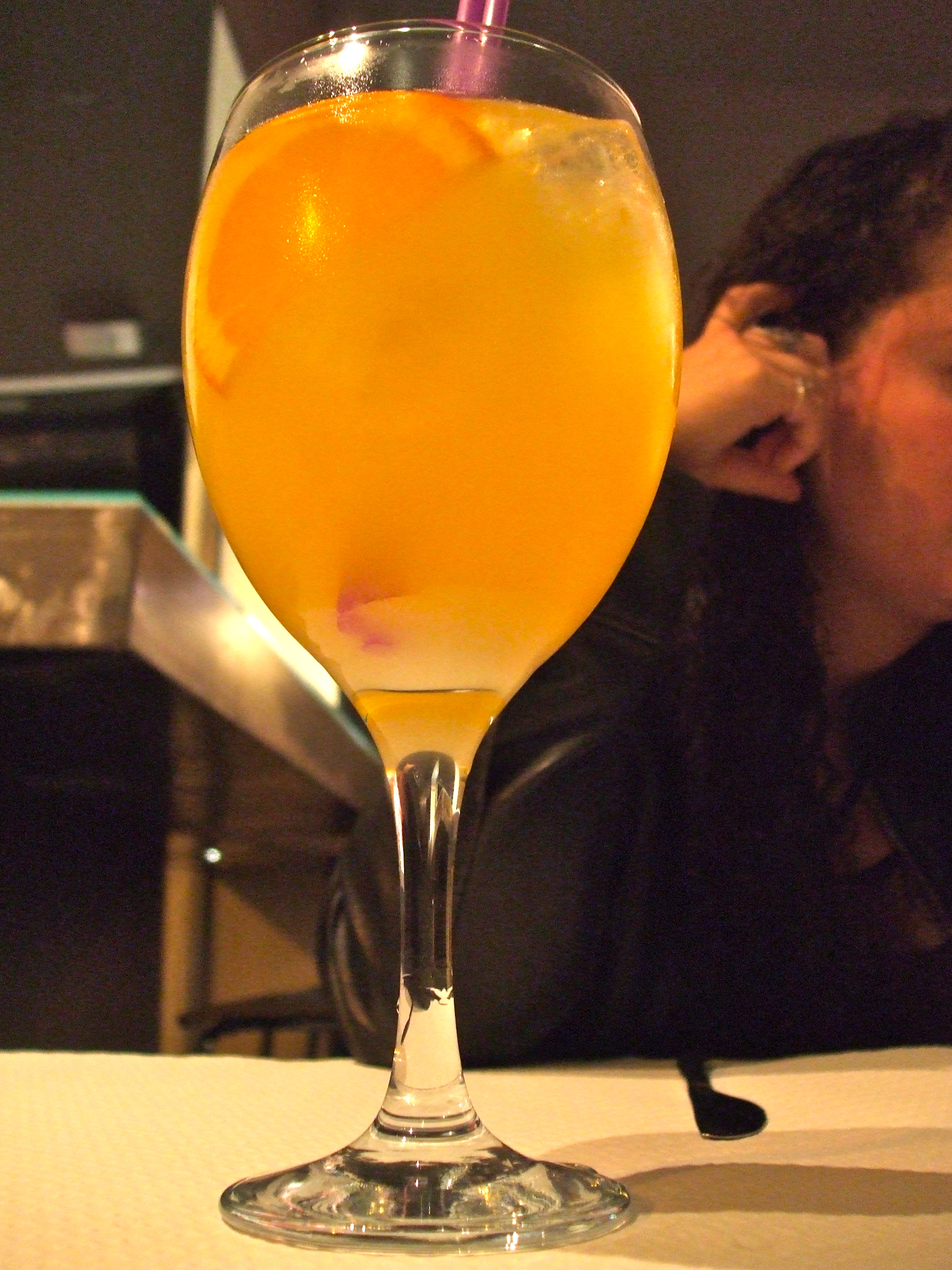 We tried “Valencian water,” whose alcohol content and tongue-in-cheek title could rival the Long Island Iced Tea, and Valencian paella, which turned out to be the only kind on the menu that featured chicken rather than seafood, a true delight for my sister and I. Beyond walking around and appreciating the unique architecture, climbing more cathedral towers to see even more skylines and buildings below, checking out the City of Arts and Sciences from the outside, we even got to take in the sun on the beach before our bus back to Madrid.

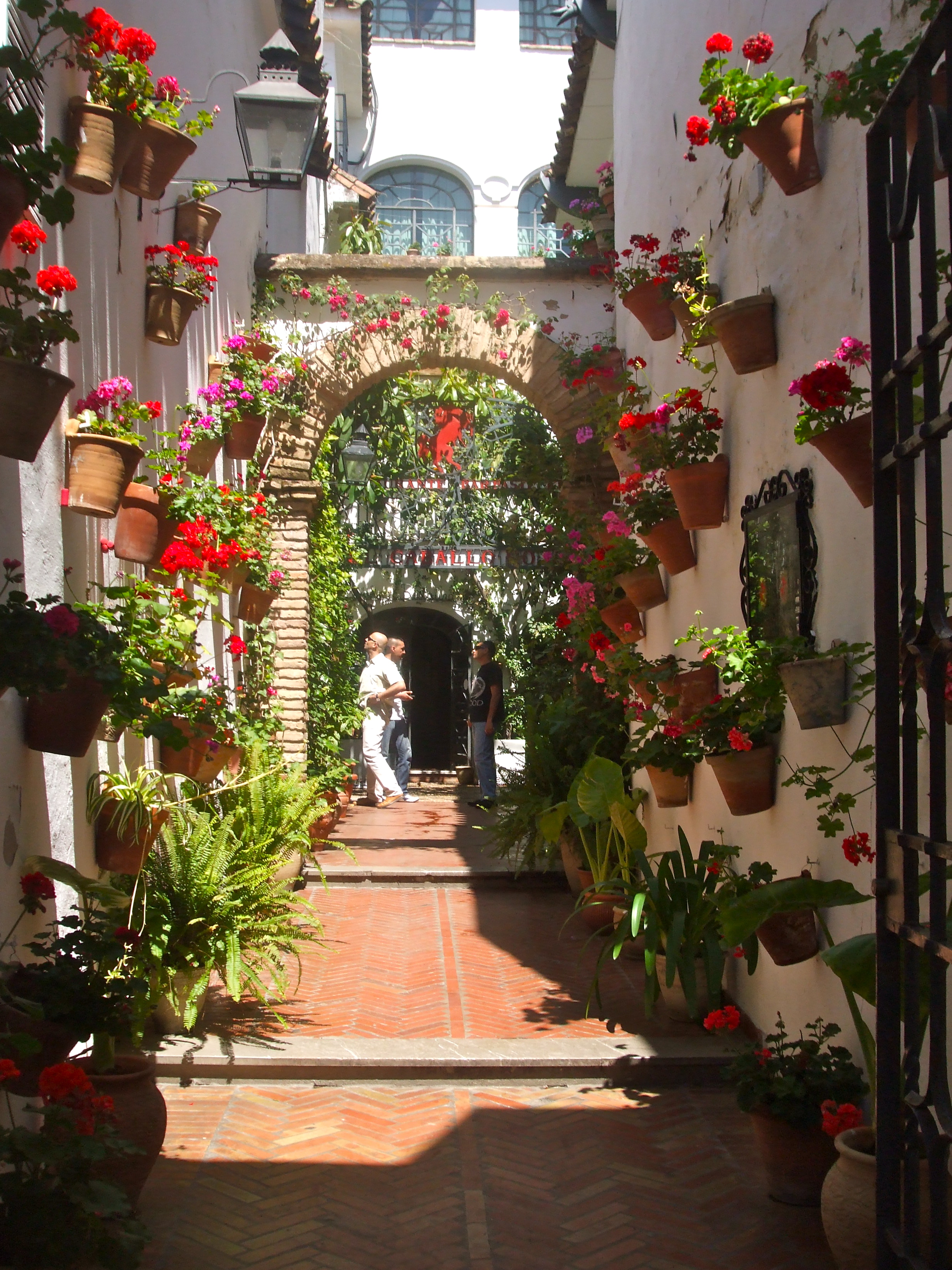
Now that my room was all packed up, my luggage safely stowed at my friend’s apartment in Madrid, Rachel and I took the last leg back down south. Málaga was another beach town with laid-back vibe and light, romantic atmosphere complete with the most intense floral arrangements I had seen at that point (I hadn’t yet been to Cordoba’s Calleja de Flores).
 Our walking tour guide told us we had just missed Antonio Banderas, who had come home for the Semana Santas celebrations (drat! I missed my best chance at a celebrity sighting) and its sadder, violent history during the Franco regime.
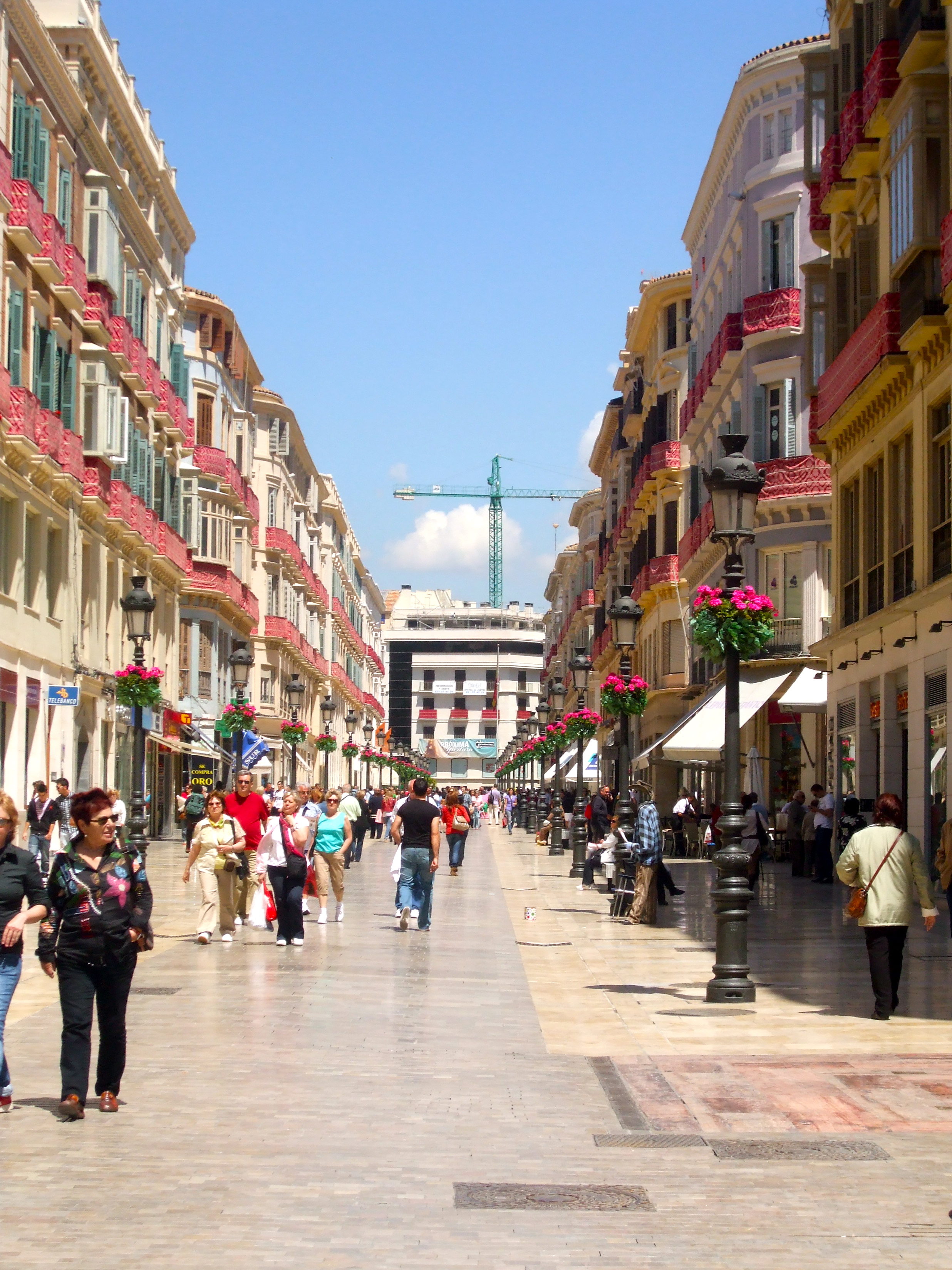
We climbed another fortress in ruins of the Gibralfaro and Alcalazar, saw more beautiful views of the coastline and the bull-fighting stadium, and basked in the sun as we shopped along the Calle Marques de Larios, named after the Trump of Málaga who funded its construction. The Malaganian workforce appreciated his monetary backing (yet absentee political stance) so much so that they threw his statue into the Medittaranean for eight years. The Donald knows, it ain’t easy being green, which Larios now is from the rust and grime. 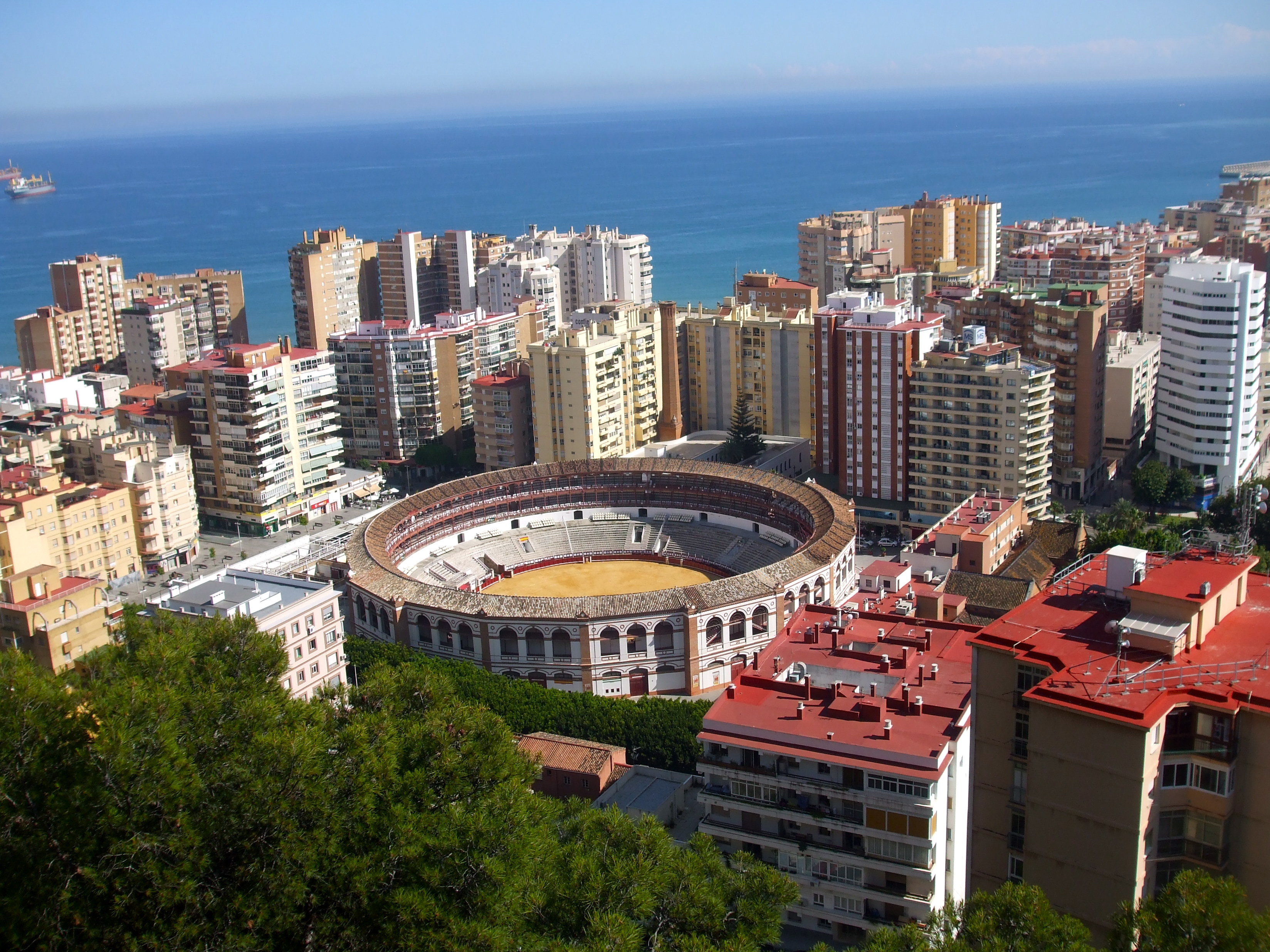
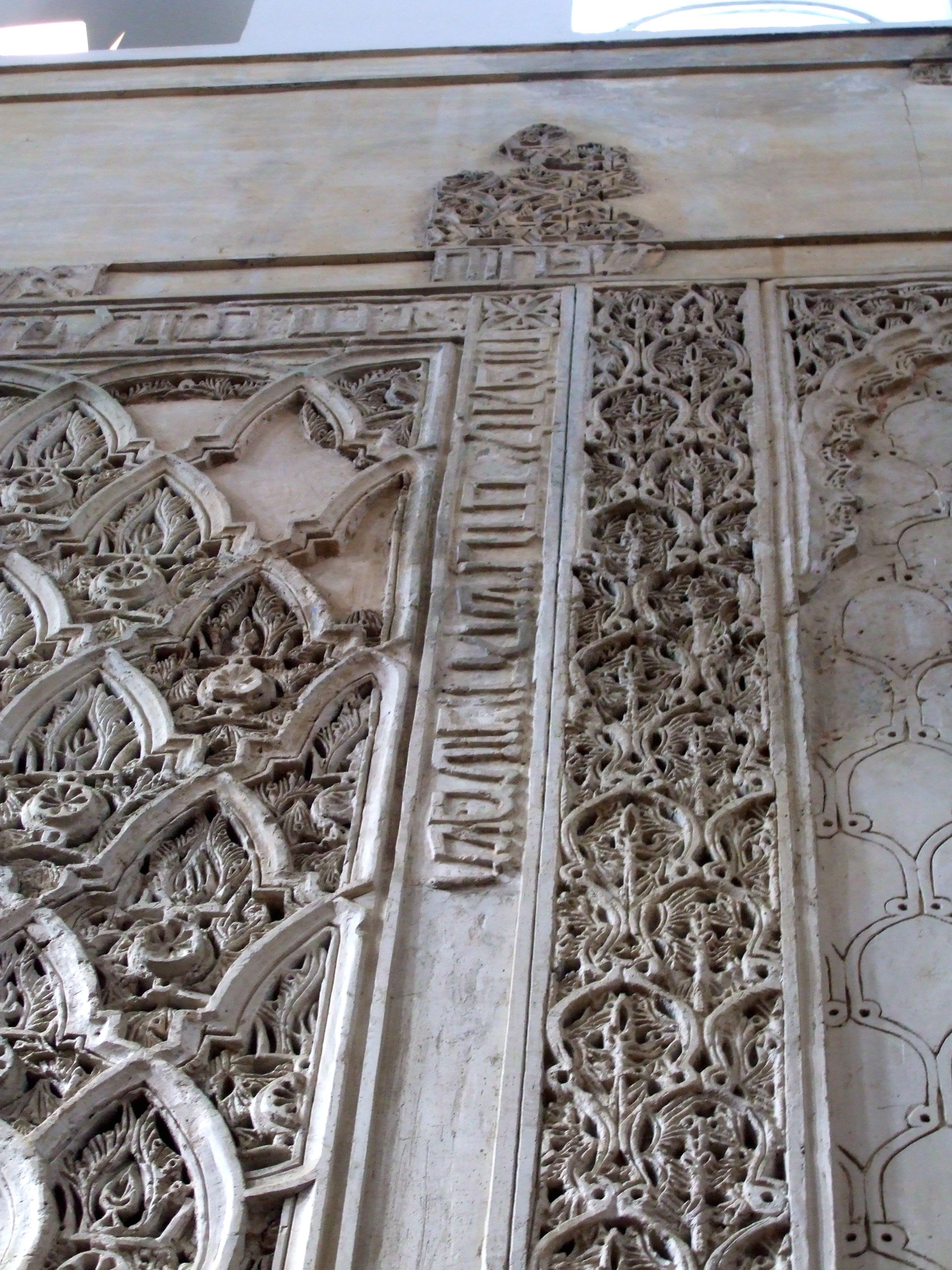
I must sound like a broken record, but we then made our way to Córdoba the next morning. We passed over the Roman bridge, visited the ancient synagogue, walked through the Art Zoco craft areas, visited La Casa Andaluci, a non-descript museum of the mixture of ancient religions and ethnicities of the region, drank at a Eastern tea house and even ate a pincho de tortilla right outside the famous mosque cut from the largest Spanish tortilla omelette I have ever seen– 30 eggs and tons of potatoes and onions were involved.
 Incidentally, we had just found out that Córdoba is the Southern Spanish contender for the City European Capital of Culture for 2016, which is plastered over every marketable surface of the city (including these flower pots). Well, I guess after three visits to it I got my money’s worth. Can you imagine that I really had no interest in returning after our class trip?
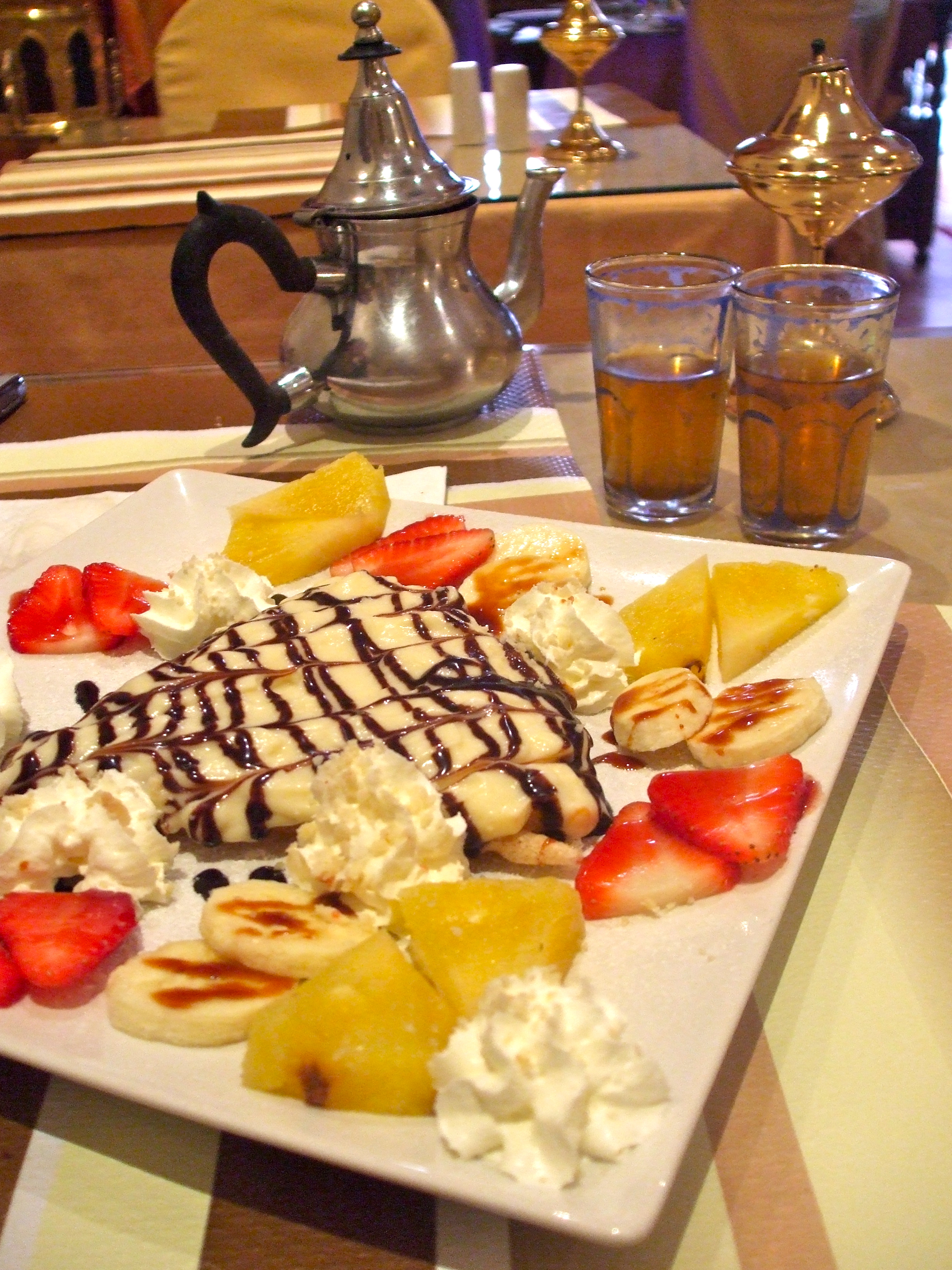 And finally I was brought back to my favorite Spanish city, Granada. I don’t know what it is; the sunshine, the fun-loving people, Moroccan flavors, and of course, the artist markets– it’s full of life and color. Our first day there we secured Rachel tickets to the Alhambra for the next morning, celebrated with churros and chocolate, and shopped around the shopping districts by Elvira and Calles Vieja y Nueva. We ate Moroccan food, mourning our short-lived plans to visit Northern Africa, and then took ourselves on a tour of the street art graffiti by El Niño de las Pinturas. The bartender at our hostel mapped it out for us, but forgoed the tips we would have given him to lead us since not enough people had signed up. Did he really have anything better to do? But we absolutely loved it, the paintings were evocative and hidden in the strangest of places, and there couldn’t be a better view of the Sierra Nevada. We think we even missed some as garage doors began to open at the end of siesta, as we passed their supposed locations on our map.
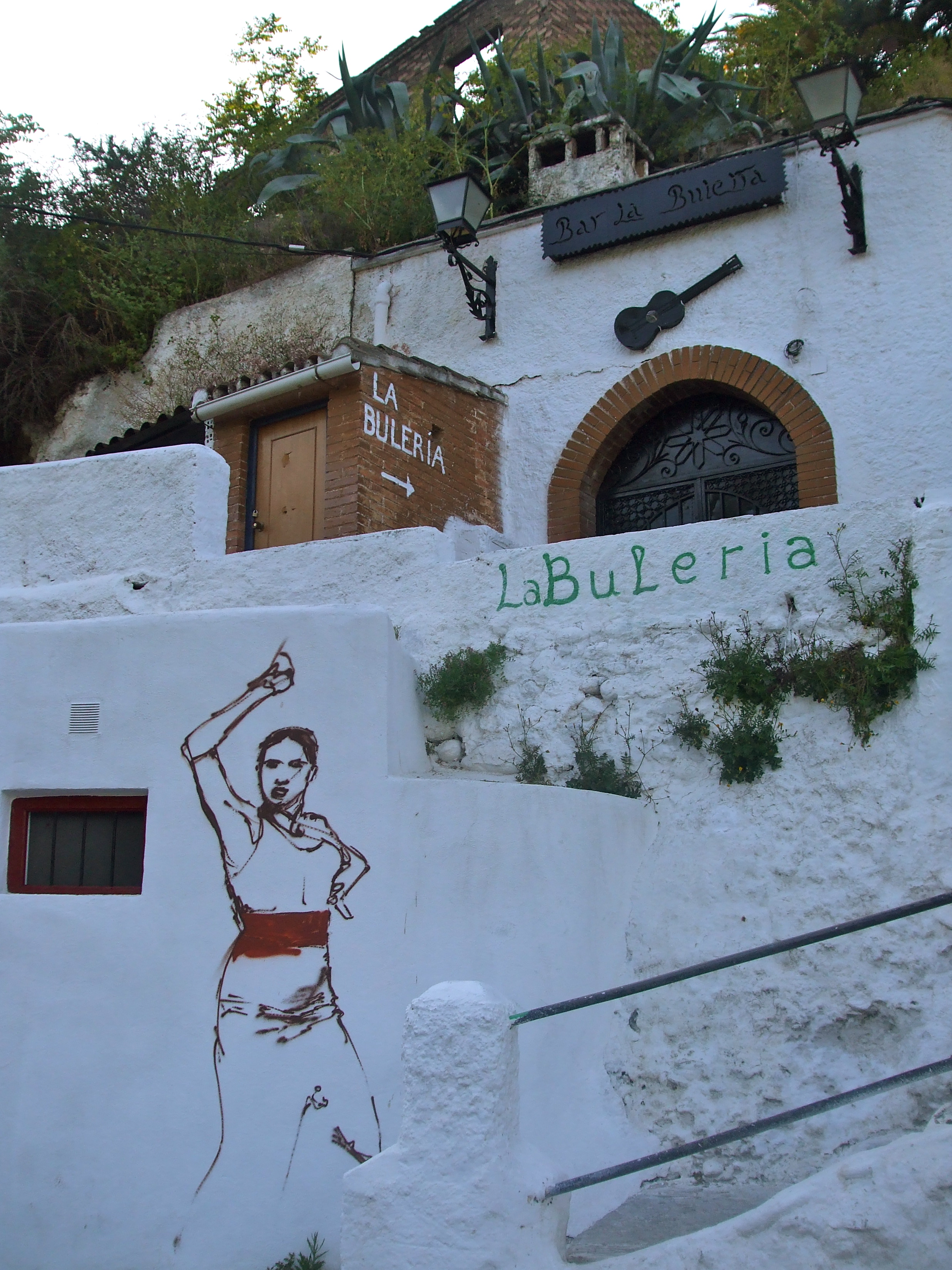
We then took the bus up to Sacremonte, the cave dwellings of the gypsies, to explore and amble over to the winding labyrinth of the Albaicin in order to catch the buzzed-about sunset view from the Mirador St. Nicholas. We caught live flamenco guitar players and singers, and some of the onlookers joined in the dancing, a young romance sparked between two swaying toddlers and one woman who knew here way around the dance floor most definitely caught the wandering eye of one of the musicians.
 Unfortunately, it poured the next morning. But when you get a spot at the Alhambra, you take it. So Rachel got to go, I went through most of it again but finally sought shelter and nixed the Alcazaba portion. We were drenched, shopped and ventured out, and one unfortunate tapas experience later, the Weissman sisters were over living out of their suitcases, being checked out of their hostel with no where to go until their train, which they’d have to make in the ever-persistent rain. We made it back to Madrid and blew off some steam with Nicki at Champandez, a club in Madrid whose interior is a legitimate cave, with stalactites pouring their signature milk cocktail and serving liquor by four and six liters. It was the perfect send-off from Madrid before our seven-hour plane ride.
You tired? Cause I sure was.
 Hilary Weissman
Leave a comment